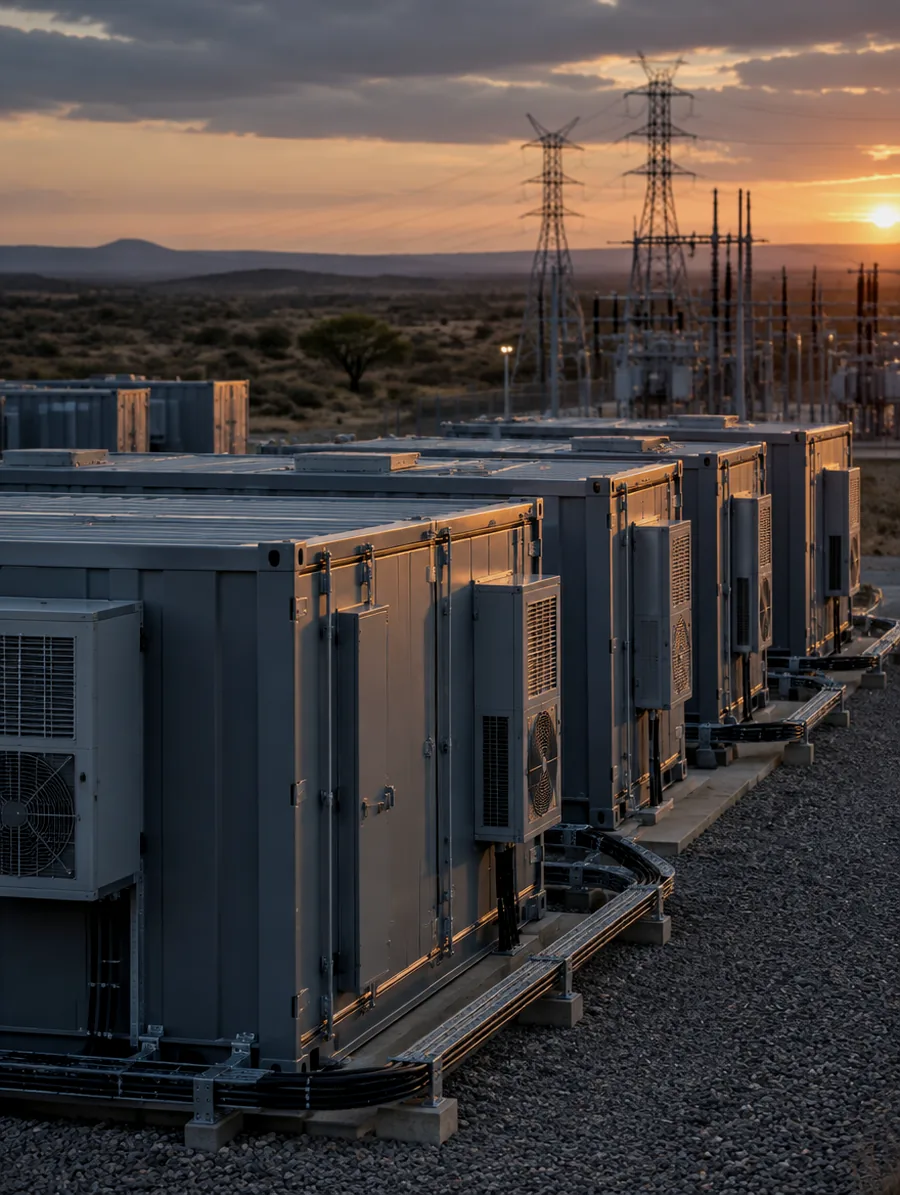
Capex
Installed cost, not cell cost
Enclosure, conversion, controls, civils, fire engineering and grid connection. The cheapest cells routinely arrive inside the most expensive installation.
Independent storage advisory · Since 2014
We start with duty cycle analysis: what the system is actually asked to do, hour by hour, over its life. Capex, opex, LCOS, regulation, safety and siting are then weighed against it. Lithium-ion answers a great many briefs extremely well. So do several technologies that rarely make the list.

01 · Method
A chemistry that wins on capex can lose on every other axis, and the axes that sink projects rarely appear on a datasheet. We weigh all of them against your duty cycle before anyone talks about a product.
Capex
Enclosure, conversion, controls, civils, fire engineering and grid connection. The cheapest cells routinely arrive inside the most expensive installation.
Opex
Auxiliary load and cooling, maintenance regime, spares and skills availability on site, round-trip efficiency losses, and the cost of the downtime when something fails.
LCOS & TCO
Degradation against the real duty, augmentation and replacement scheduling, residual and end-of-life value. Two systems at the same capex can differ by a factor on levelised cost.
Regulatory
What the authority having jurisdiction, the insurer and the lender's technical adviser will accept, and what the fire engineering, separation distances and suppression case cost once they have.
Environmental
High-ambient and uncooled enclosures, coastal exposure, water and land constraints, materials footprint, and a recycling or disposal route that exists in your jurisdiction.
Risk
Depth and frequency of cycling against the warranty as written, single-supplier exposure, cell formats that may leave production, and what replacement looks like in year eight.
02 · Technology-agnostic by design
Select a row to open
Figures are typical commercial ranges, not vendor claims
LCOS indicative for a 4 h system on daily cycling
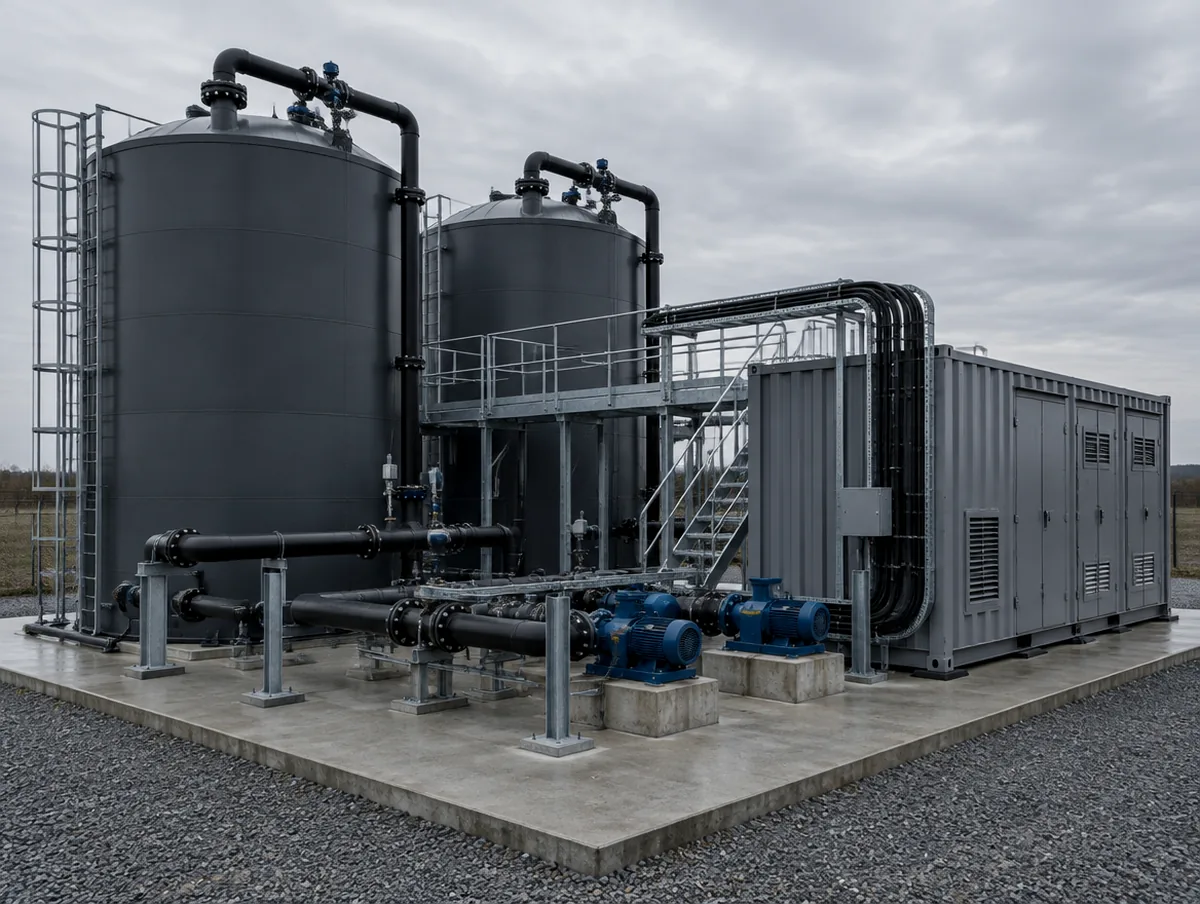
Flow systems scale power and energy independently, so cost per kilowatt-hour falls as duration rises. Lithium-ion works the other way. Where the crossover sits for your project depends on the duty cycle, the site and the cost of capital, and it is worth calculating rather than assuming.
Vanadium flow installation · Illustrative
03 · Advisory
Six mandates, taken independently or as a sequence. We hold no supply agreements and no distribution interest, which is normally the reason we are called.
Duty cycle modelling, chemistry shortlisting and sizing against the real load profile, then a defensible recommendation with the rejected options and the reasons on record.
Fire and siting strategy, standards mapping, hazard and thermal propagation review, and the documentation an authority, insurer or mine safety officer actually asks for.
Independent review of vendor proposals, bills of materials, warranty and degradation terms, and performance guarantees, on behalf of the buyer, lender or investment committee.
Dispatch strategy, control architecture and integration across generation, storage, loads and tariff, for residential fleets through to commercial and industrial sites.
Lifecycle cost and revenue-stack modelling, tariff and offtake structuring, and the sensitivity work that shows which assumptions the business case actually rests on.
Technology roadmaps, localisation and supply chain strategy, and market entry planning for manufacturers and developers moving into African storage markets.
04 · Provenance
The advisory practice rests on an operating history: cells manufactured, systems built, materials researched, products taken through certification. That work is behind us, which is precisely why we are useful across it. We have been on the other side of most of the decisions we are now asked to review.
Research & industry collaboration
Established to take South African lithium-ion research from the laboratory into manufacture, including a techno-economic analysis of a domestic lithium-ion industry.
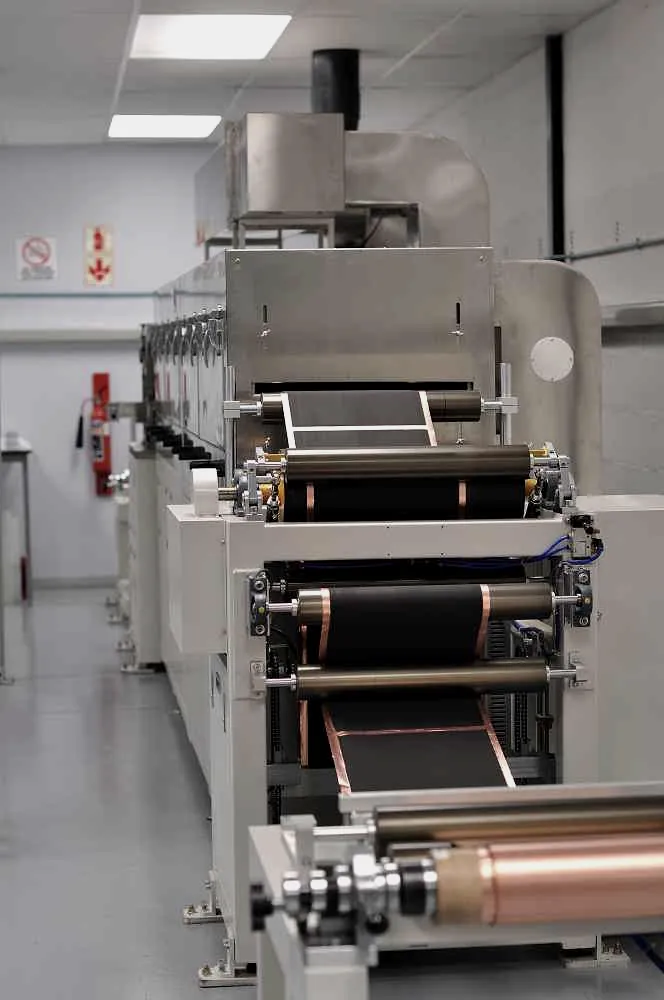
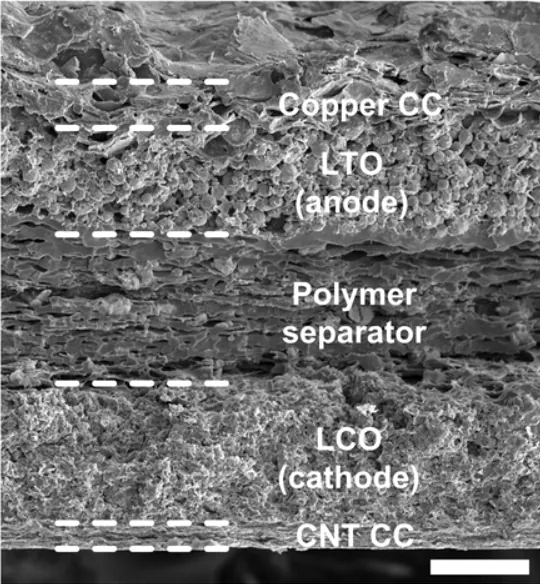
Pilot-volume pouch and cylindrical cell manufacture, electrode and cathode materials work, and cell characterisation programmes run with national research institutions.
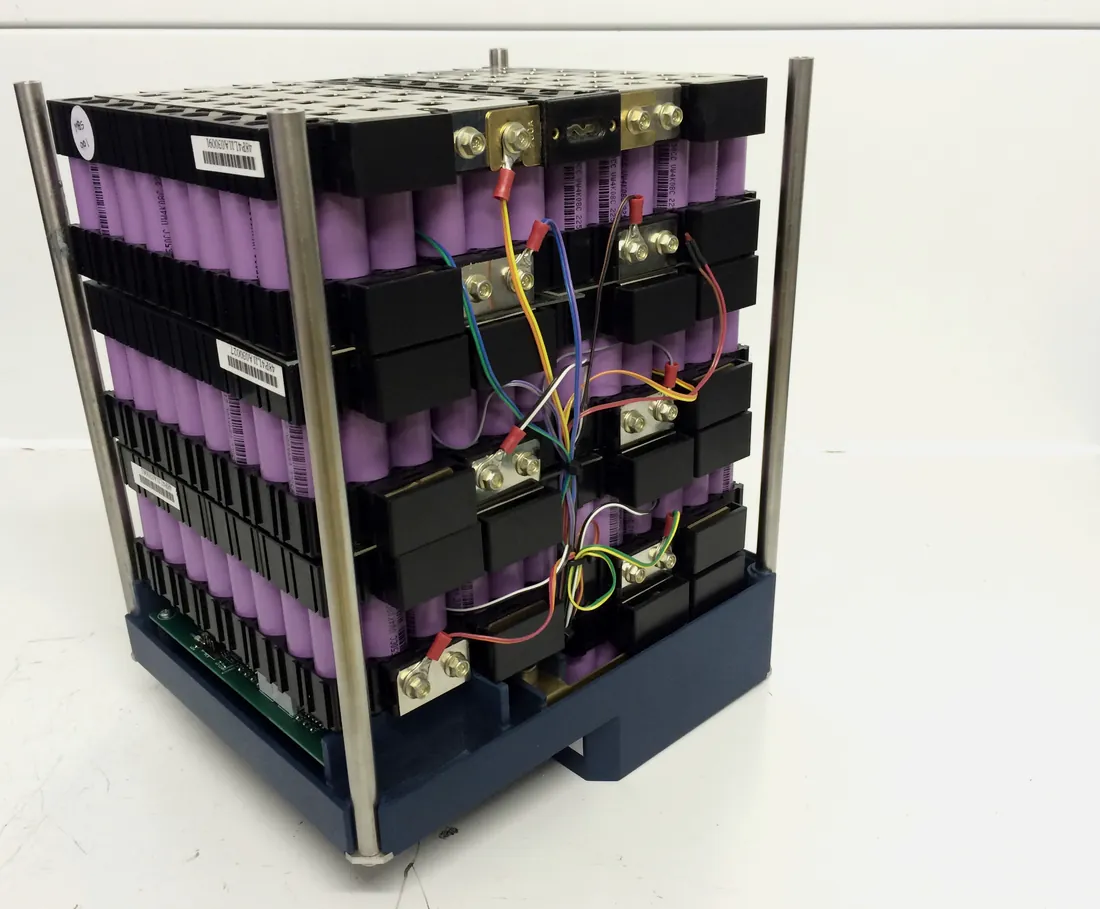
Own-design modular battery systems and integrated home energy storage, from proprietary battery management electronics through to installed units, designed and built locally.
Storage and electric drivetrain work for mining and autonomous vehicle programmes, and telecommunications tower backup across markets where grid supply is unreliable.
A registered operating company in Nigeria, partner relationships across several African countries, and applied research into manganese dioxide production in South Africa.
Control and dispatch software for residential and commercial installations, and the advisory practice that now carries the whole of that experience.
05 · Enquiries
The most useful conversations start with the duty, the site and the timeline, not a product. If you already have a proposal in hand, bring that too; a second opinion is a perfectly good place to begin.
hello@battco.co.za